
Why You’re Grinding Your Teeth (And How To Stop)

Some mornings, you wake up feeling like you didn’t quite rest. Your jaw feels tight, and your temples are sore. Maybe your teeth seem a little more sensitive than they used to be.
It’s easy to overlook those small signs. You might assume you slept in an odd position or had a stressful day. But when those symptoms show up consistently, there’s often a common cause behind them: teeth grinding.
Teeth grinding usually happens during sleep. Because it’s unconscious, most people have no idea they’re doing it. Every night, the jaw tightens and the teeth press together with more force than they were meant to handle. That pressure can wear down enamel and strain the jaw joints, especially over a long period of time.
The good news is that once you recognize the signs, there are clear and effective ways to protect your teeth and relieve the tension.
What Is Teeth Grinding?
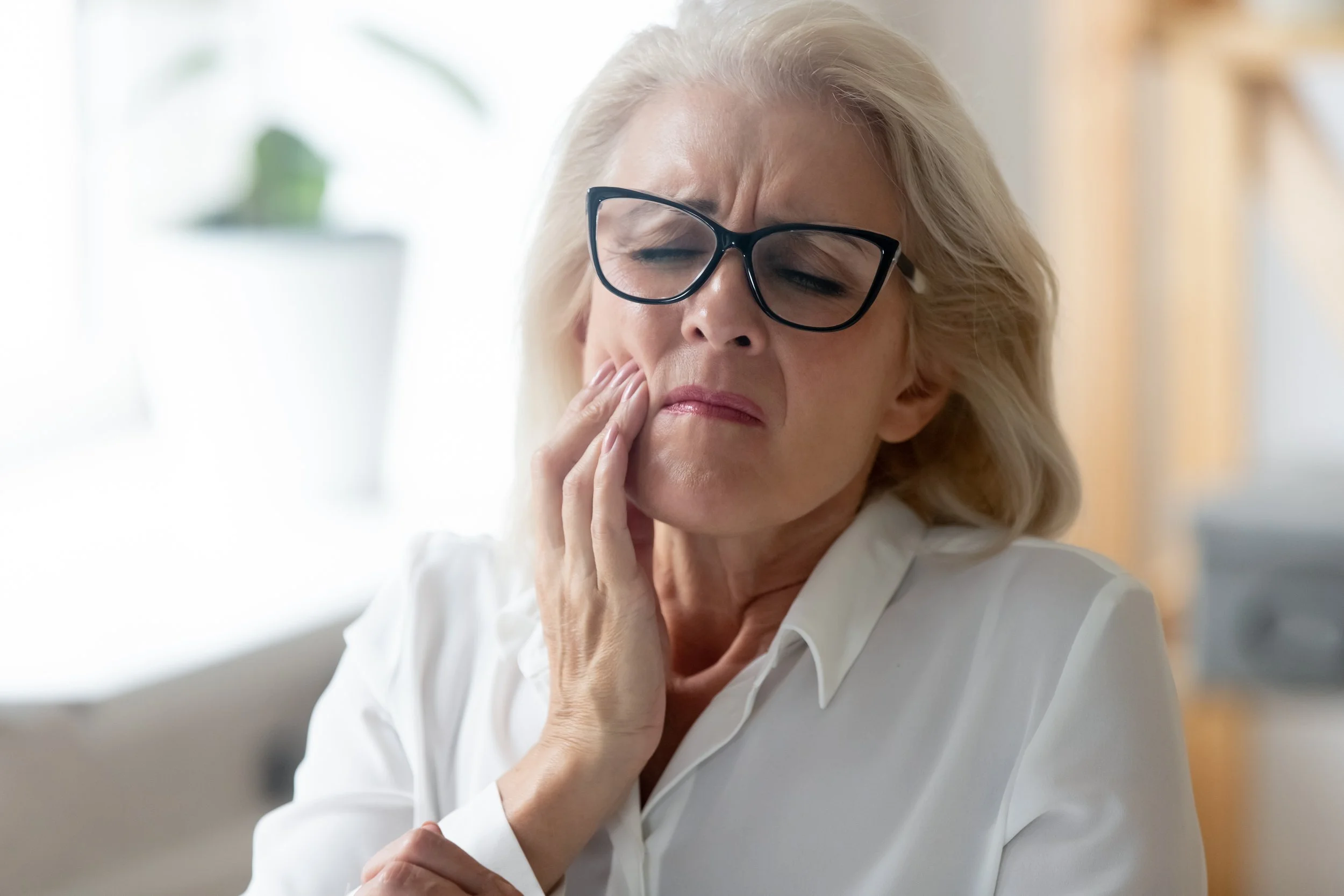
Teeth grinding, also known as bruxism, is the repeated clenching or sliding of your teeth against each other. Some people grind side to side, while others clench firmly without much movement. Both can place significant pressure on the teeth and jaw.
The force involved in grinding is often much stronger than the pressure used for normal chewing. While your teeth are designed to handle everyday function, they are not meant to withstand hours of sustained tension. That added strain can gradually wear down enamel and stress the jaw joints. In some cases, it can even affect dental work like fillings or crowns.
Because it usually happens during sleep, many people only discover they’ve been doing it during a dental exam.
Why Are You Grinding Your Teeth?
Bruxism can be due to many different causes. In fact, it’s usually influenced by a combination of physical and lifestyle factors.
Stress and Emotional Tension
Stress is one of the most common contributors to teeth grinding. When your body feels under pressure, your muscles tend to tighten. This includes the muscles that control your jaw. Even if you feel calm when you go to bed, your body may still be carrying tension from the day.
That tension can show up as nighttime clenching or grinding.
Bite Imbalance
If your teeth do not come together evenly, your jaw may try to compensate. Small discrepancies in your bite can lead to subconscious adjustments, especially during sleep. That repeated movement often turns into grinding. Sometimes even a slightly high filling can trigger increased clenching. That’s one reason why it’s important for your dentist to check the position of your bite after performing a restoration.
Sleep Disturbances
Teeth grinding is also associated with certain sleep disorders, including sleep apnea. In some cases, grinding may occur as the body responds to brief interruptions in breathing. If you snore frequently, wake up feeling unrested, or experience daytime fatigue, it may be worth discussing further evaluation.
Caffeine, Alcohol, and Medications
Stimulants such as caffeine commonly increase muscle activity. Alcohol, while relaxing at first, can disrupt deeper stages of sleep. Certain medications, likewise (particularly some antidepressants such as SSRIs), are also linked to increased grinding.
Signs to Watch For
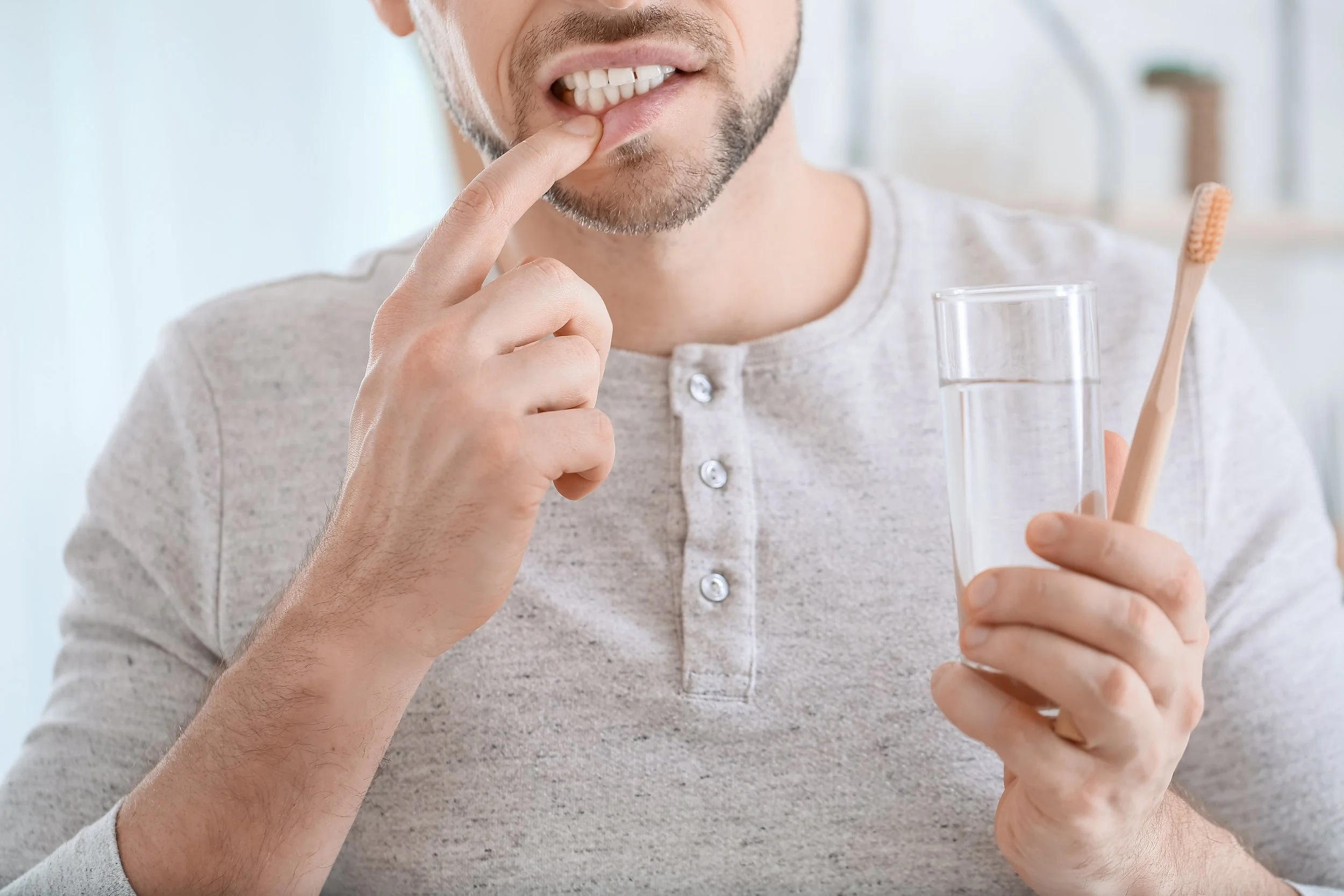
Because bruxism happens mostly at night, it may be hard to recognize the signs at first. Be on the lookout for indicators such as:
Worn or flattened tooth surfaces
Small chips or hairline cracks
Increased tooth sensitivity
Jaw soreness in the morning
Frequent headaches
Clicking or stiffness in the jaw
In more advanced cases, untreated grinding can lead to fractured teeth or temporomandibular joint (TMJ) discomfort.
How to Stop Grinding Your Teeth
The very best solution for teeth grinding depends on what’s causing it for you, but there are several effective ways to protect your teeth and reduce symptoms.
1. Use a Custom Night Guard
One of the most reliable ways to prevent damage is with a professionally made night guard. A custom guard creates a protective barrier between your upper and lower teeth, absorbing the pressure from grinding.
Unlike store-bought options, custom mouth guards are designed to fit comfortably and stay in place throughout the night. They protect your enamel and help reduce strain on the jaw joints.
2. Take Steps to Manage Stress
If stress is a contributing factor to your bruxism, small changes in your routine can make a difference. Additions like limiting screen time before bed and practicing gentle stretching or breathing exercises can do a surprising amount to help reduce nighttime tension.
Even simply tuning in to your body and consciously relaxing your muscles can reduce overall strain, especially during the daytime.
3. Address Bite or Sleep Issues
If a bite imbalance is contributing to your grinding, minor adjustments may help relieve excess pressure. In cases where sleep apnea or another sleep disorder is suspected, further evaluation may be recommended. Treating the underlying issue often reduces grinding episodes as well.
When to Schedule an Evaluation
There are a few key signs that could point to nighttime grinding. For example, it usually leads to changes in your teeth or a persistent jaw soreness. Even frequent headaches could be the result of grinding. If you’re experiencing any of these symptoms, it’s worth having an exam.
Teeth grinding does not usually resolve on its own. The earlier it’s identified, the easier it is to prevent long-term damage. A simple evaluation can reveal early wear patterns and help determine whether a night guard or additional treatment is appropriate.
Protect Your Smile for the Long Term
Teeth grinding can be easy to overlook because it happens so commonly without our knowledge. But the effects are real, and they tend to gradually worsen over time. If you suspect you may be grinding your teeth, we encourage you to bring it up at your next visit. A conversation can go a long way toward protecting your teeth and helping you wake up feeling more comfortable.
Don’t wait for visible damage to appear. Contact our office in Fort Pierce, and we’ll take steps now to keep your smile strong and healthy.